Getting solar battery quotes: how to compare and what to check
A home battery stores your solar power for the evening, and the federal Cheaper Home Batteries Program now discounts eligible systems. The discount, the products and the installers all have rules, and quotes are hard to compare like for like. This guide explains what to check, how to size a battery, and how to compare quotes without being rushed.
This is a free, non-commercial reference page. It is general information only, not professional advice, and it does not rank or recommend any business. Listing a source is not an endorsement. Check current details with the official websites linked below.
The guide
From how a battery works and what the federal discount requires, to sizing, comparing quotes and avoiding pressure sales.
What a battery does

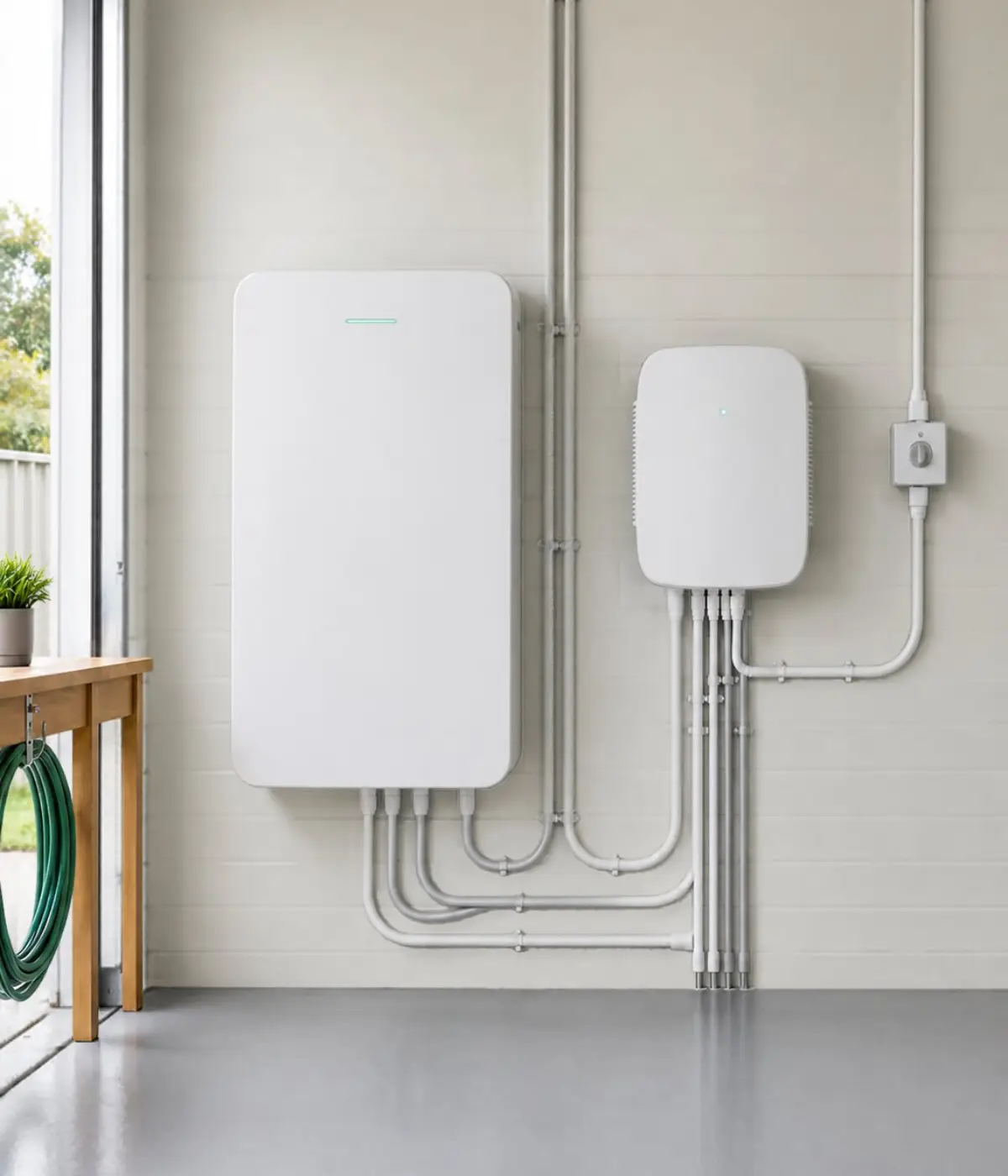
A home battery stores surplus solar energy so you can use it later, typically in the evening, instead of exporting it to the grid for a feed-in credit. On time-of-use tariffs it can also help you avoid buying power at peak rates. Some systems can keep selected circuits running in a blackout, but only if the system is designed and wired for backup, which needs specific equipment.
The Cheaper Home Batteries Program
The federal Cheaper Home Batteries Program discounts eligible small-scale batteries through the Small-scale Renewable Energy Scheme. The discount is usually taken off your quote by the installer. According to the Clean Energy Regulator, full support applies to the first 14 kWh of usable capacity, reduced support applies between 14 and 50 kWh, only the first 50 kWh is eligible, and only one battery per premises qualifies. The discount steps down every six months under a published schedule running to 2030, so check the Clean Energy Regulator's current figures when you compare quotes.
Approved products and accredited installers
For the federal discount, the battery must be on the Clean Energy Council's approved battery list and comply with the Australian battery installation standard (AS/NZS 5139). It must be installed or supervised by a Solar Accreditation Australia accredited installer with battery endorsement. Grid-connected systems must also be capable of joining a virtual power plant. Ask for the installer's accreditation number and check it before you sign.
State programs
Some states and territories run their own battery incentives, loans or virtual power plant programs, and some can be combined with the federal discount while others cannot. Check your state's energy website, and ask each installer exactly which programs they have applied to your quote.
Usable capacity and sizing
Batteries are rated in kilowatt-hours. Compare usable capacity, which is what you can actually draw, rather than nominal capacity. The right size depends on your evening and overnight use, the size of your solar system, and whether you want bill savings, backup or both. A good installer bases sizing on your actual usage data from your retailer or smart meter, not a rule of thumb.
Inverters: hybrid or AC-coupled
A hybrid inverter runs both your solar panels and the battery, and is common when solar and battery go in together. An AC-coupled battery has its own inverter and is often used when adding a battery to an existing solar system. Ask whether your existing inverter is compatible, whether it needs replacing, and how that changes the price and warranty.
Virtual power plants
A virtual power plant (VPP) links many home batteries so a retailer or operator can draw on them at times of high demand, usually in exchange for credits or a better tariff. Joining is often optional but may be a condition of some state incentives. Read the terms: how much of your battery they can use, how you are paid, and whether you can leave.
Installation and safety
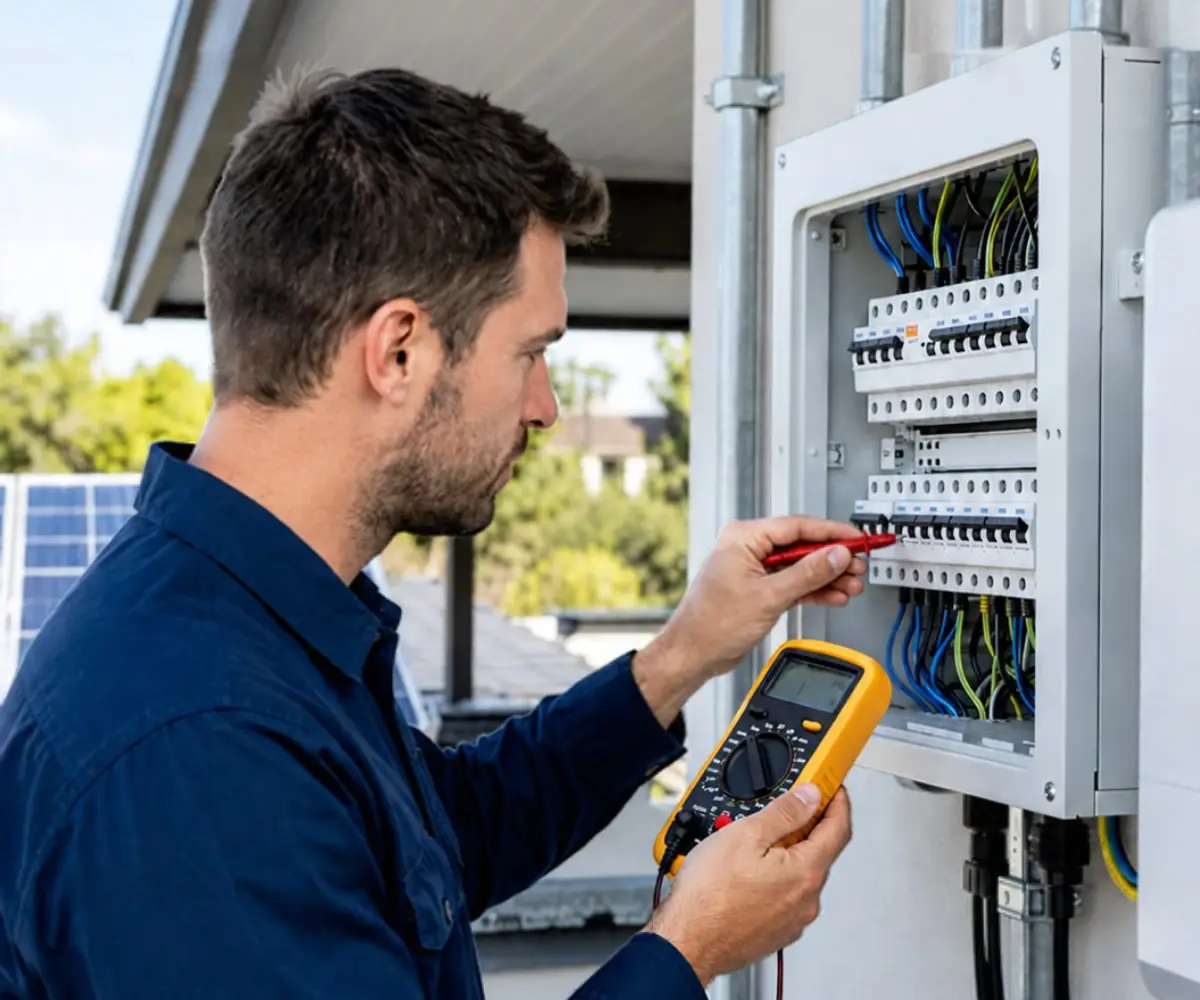
Batteries have to be installed in a suitable location under the installation standard, which sets rules about where they can go. Quotes should say where the battery will be mounted, whether a switchboard upgrade is needed, and what is included. Ask about heat and ventilation, especially for garages and outdoor walls in hot climates.
Comparing quotes
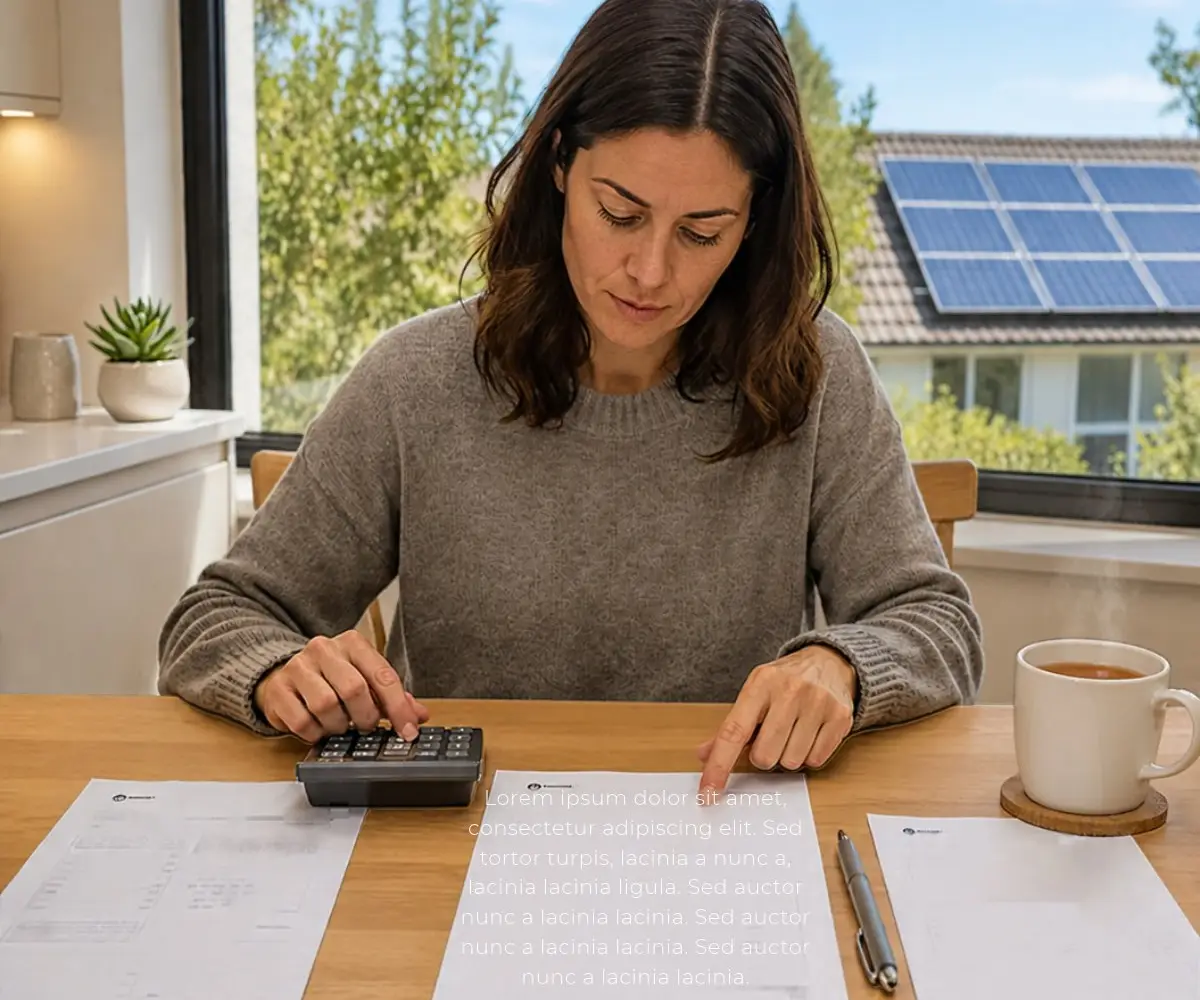
Get at least three written quotes. Compare usable capacity, the warranty (years and energy throughput), inverter compatibility, installation inclusions, backup capability, and the total price after any discount, shown clearly on each quote. A much cheaper quote often leaves something out, such as a switchboard upgrade or backup wiring.
Payback
Payback depends on your usage, tariffs and feed-in rates, all of which change over time. Treat any payback claim as an estimate and ask how it was calculated, including what tariff and feed-in rate were assumed and whether battery degradation was included.
Avoid pressure sales
Be wary of door-to-door and phone sales, very short deadlines, and large upfront deposits. Under the Australian Consumer Law you have a cooling-off period for unsolicited sales. A discount that is 'ending this week' is a sales line, not the program schedule, which is published by the Clean Energy Regulator.
Official sources
Where to check the details.
| Name | Location | Website | Notes |
|---|---|---|---|
| Clean Energy Regulator: Batteries | National | cer.gov.au/schemes/renewable-energy-target/small-scale-renewable-energy-scheme/small-scale-renewable-energy-systems/solar-batteries | |
| business.gov.au: Cheaper Home Batteries Program | National | business.gov.au/grants-and-programs/cheaper-home-batteries-program | |
| Solar Accreditation Australia | National | saaustralia.com.au | |
| Clean Energy Council: Battery programs | National | cleanenergycouncil.org.au/industry-programs/products-program/batteries/battery-programs | |
| ACCC: Consumer rights and guarantees | National | www.accc.gov.au/consumers/buying-products-and-services/consumer-rights-and-guarantees |
Inclusion in this directory is not an endorsement. Links are to official websites as published at the time of checking.
Before you decide
Questions worth asking.
- Is the installer accredited for batteries?
- Ask for their Solar Accreditation Australia number and check it. Battery endorsement is required for the federal discount.
- Is the battery on the approved list?
- It must be on the Clean Energy Council's approved battery list to qualify.
- Is the quote's capacity usable or nominal?
- Compare usable kWh across quotes, not headline figures.
- Is sizing based on my usage data?
- Ask what data they used and how they calculated it.
- What is the total price after discounts?
- The federal discount and any state incentive should be shown clearly on the quote.
Common questions
How does the Cheaper Home Batteries Program work?
It discounts eligible small-scale batteries installed by accredited installers through the Small-scale Renewable Energy Scheme. Full support covers the first 14 kWh of usable capacity, with reduced support up to 50 kWh. Check the Clean Energy Regulator for current details.
Does the battery discount go down over time?
Yes. The Clean Energy Regulator publishes a schedule that steps the discount down every six months to 2030.
How many battery quotes should I get?
At least three, comparing usable capacity, warranty, installation and total price after discounts.
Will a battery give me backup power in a blackout?
Only if the system is designed and wired for backup. Ask the installer specifically.
Do I have to join a virtual power plant?
Batteries must be capable of joining one to get the federal discount, but joining is often optional. Some state incentives may require it.
About this page
This page is a plain reference on getting solar battery quotes. It does not sell products or services. Businesses wanting a correction can use the contact link below.